Process guide, sourcing to closing
How to Buy a Pre-Owned Private Jet: A Step-by-Step Guide
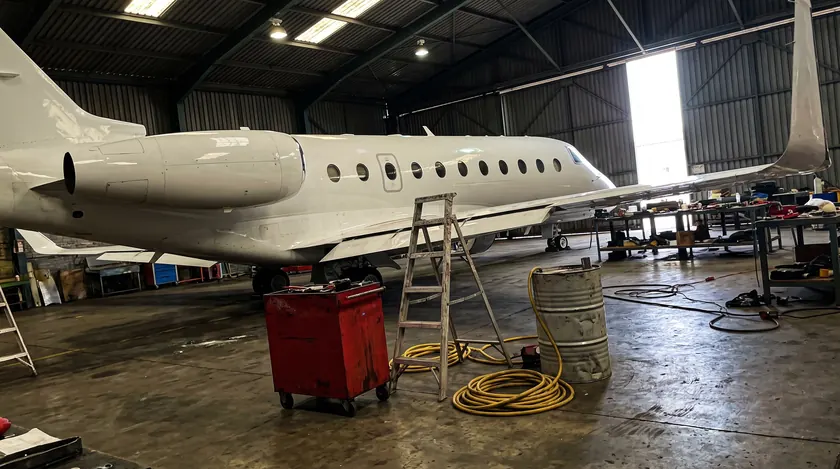
Buying a pre-owned jet isn't like buying a car with a few extra zeroes. The paperwork, the inspection and the registration all have to line up before you legally own anything you can fly. Here's the process I actually walk clients through, start to finish.
I'll use real checks pulled from our own model files, the kind of thing an inspector actually looks at on a Citation, a Gulfstream or a Challenger, rather than generic advice you could find anywhere.
The process, step by step
- Define the mission and the budget first: passengers, typical routes such as Lagos-Abuja or Johannesburg-Cape Town, realistic annual hours, and a real price ceiling that includes landed cost, not just the asking price.
- Engage a broker who works your market: ask what they've closed in Nigeria, South Africa, Kenya, Ghana, Egypt or Angola specifically, not just aviation deals in general.
- Shortlist two or three aircraft and put in a Letter of Intent on the best fit, subject to inspection.
- Commission a pre-purchase inspection with an independent shop, never one recommended solely by the seller.
- Review the full logbook and maintenance history against the aircraft's known service-bulletin and airworthiness-directive compliance.
- Close: settle registration with the destination country's civil aviation authority, confirm duty and VAT treatment, and only then release funds.
What should I inspect before buying a used private jet?
The specifics shift by model, whether it's a Cessna Citation Latitude or a Gulfstream G280, but the checklist below repeats across almost every aircraft we sell.
- Engine program enrollment and hours or cycles remaining to overhaul
- Avionics software currency and any outstanding service bulletins
- Airframe corrosion, especially for aircraft based at coastal or high-humidity African airports
- Landing gear and brake overhaul cycle status, tracked by time and cycles, not just calendar age
- APU hours and maintenance history
- Cabin pressurization cycle count and door or window seal condition
- Full compliance history against the type's known airworthiness directives
How do I use an aircraft broker safely?
Ask directly who they represent, the buyer, the seller, or both, and how that's disclosed to you in writing. Ask for a reference from a deal they've actually closed in the country you're buying into, not just a general aviation résumé.
Confirm they're adding real value rather than simply relisting another broker's aircraft, and never wire a deposit to an account that isn't in the seller's name or an independent escrow agent's name. If a broker resists any of these questions, treat it as your answer.
What is a pre-purchase inspection (PPI) and why does it matter?
A pre-purchase inspection is an independent physical and records inspection carried out before funds change hands. On a large-cabin jet, a full PPI can turn up an engine or landing-gear finding that materially changes the negotiated price, checks like the Honeywell HTF7250G engine program status and PlaneView avionics currency we'd flag on a Gulfstream G280, or the Pro Line 21 Advanced avionics and head-up-display fit on a Challenger 350. Skipping it to save a week is a false economy on an asset this size.
| Area | What's checked | Why it matters |
|---|---|---|
| Engines | Program enrollment status and hours or cycles to overhaul | An overhaul due soon can cost more than the discount you negotiated |
| Avionics | Software currency, outstanding service bulletins, database subscriptions | Outdated avionics can mean an expensive mandatory upgrade before flying certain routes |
| Airframe | Corrosion inspection, especially coastal or high-humidity bases like Lagos or Accra | Corrosion findings can ground an aircraft until repaired |
| Landing gear | Overhaul cycle status by time and cycles | Large-cabin gear overhauls are costly and hard to renegotiate after closing |
| Logbooks | Full maintenance history and airworthiness directive compliance | Gaps in logbook history are one of the most common reasons deals fall through |
How do I finance a private jet purchase in Africa?
We don't have local aircraft-finance lender data in our market file, and most cross-border deals we see are cash purchases or financed through international aviation lenders rather than local bank facilities. Terms vary a great deal by lender, aircraft age and buyer profile. Confirm current financing options with an aviation finance broker before you commit to a closing timeline that assumes financing will simply fall into place.
Prefer to just ask? Send a short message, we reply the same day.
Ask a questionWhat paperwork is needed to import and register a used jet?
Expect a bill of sale and proof of ownership, a current insurance certificate, full airworthiness documentation, a deregistration certificate from the previous registry, and the destination authority's own application form, NCAA's Form AC-AWS 001A for private jets for sale in Nigeria, for example, or GCAA's proof-of-ownership process for a Ghana import, which specifically requires confirmation the aircraft isn't registered anywhere else.
We've written a full country-by-country breakdown of registration requirements across Africa, and a dedicated cost walkthrough for a Nigeria import specifically, both linked at the bottom of this guide.
How long does it take to close a pre-owned jet purchase?
Expect weeks, not days. A straightforward single-aircraft deal with a clean logbook and no financing contingency closes faster than one needing a lender, an escrow agent in a third country and a full pre-purchase inspection on a jet with a thin logbook. We don't attach a fixed day count here because it swings so much deal to deal, tell us the aircraft and the financing picture and we'll give you a realistic closing calendar.
Where to start
If you haven't settled on a model yet, browse what's currently available on private jets for sale across Africa, or tell us your mission and budget directly and we'll shortlist two or three real aircraft against it, the same list we'd build for any client walking through this exact process.
Frequently asked questions
Should I buy the newest aircraft I can afford, or an older one with lower hours?
Age and hours matter less than maintenance history and engine program enrollment. A ten-year-old aircraft on a fully enrolled engine program with a clean logbook is often a safer buy than a newer one with a lapsed program and patchy records. Judge the specific aircraft in front of you, not just its model year.
Is it normal for a seller to refuse an independent pre-purchase inspection?
No, and treat it as a serious warning sign if they do. Every serious seller we deal with expects an independent inspection. Refusing one, or insisting you use only their own shop, is one of the clearest red flags in a pre-owned aircraft deal.
Do I need a lawyer as well as a broker?
Yes, for the sale agreement, escrow terms and title transfer, and specifically one who has closed an aircraft deal in the destination country before. Registration and tax treatment differ by jurisdiction, so local aviation-law experience matters more than general contract experience here.
What happens if the pre-purchase inspection finds a problem?
You typically renegotiate the price, ask the seller to fix it before closing, or walk away, roughly in that order of how common it is. What you don't do is close first and argue about it afterward, once funds have moved your leverage is gone.
Can I buy an aircraft without ever seeing it in person?
It happens, but we don't recommend it for a first purchase. Send a representative to the pre-purchase inspection at minimum, even if you can't attend yourself. The gap between a logbook description and what an inspector actually finds on the airframe can be significant.
Ready to shortlist real aircraft
Tell us your mission, budget and preferred country, and we'll shortlist two or three real pre-owned aircraft against it, the same way we do for every client.
Ask a question